Era-matched assessment
A 1920s roof, a 1960s ranch and a 2000s two-story are assessed differently, because they fail differently. The scope matches the house, not a template.
San Antonio's homes do not share one roof. A 1920s Monte Vista house has a steep, complex roof under a historic-district review. A 1950s ranch inside Loop 410 is a simple gable on its second or third roof. A Stone Oak home built around 2000 and an Alamo Ranch home from 2005 to 2015 are on different points of the same roof-age clock. Residential roofing here starts by reading the house: its era, its material, its HOA and its district.
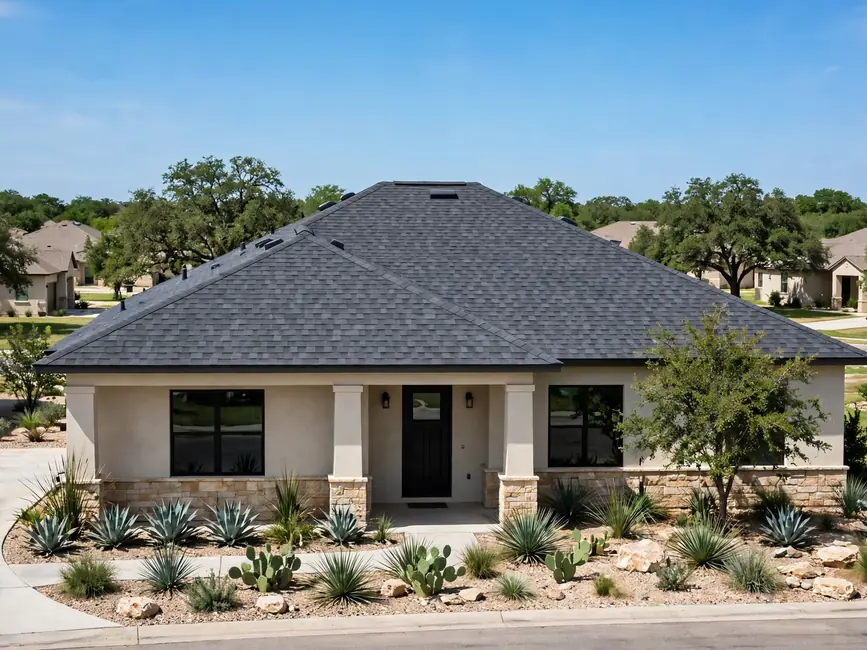
The city's housing stock is young by national standards: San Antonio's median year built is 1985 and Bexar County's is 1990, with 612,901 housing units in the city. Half the county's homes are at least 36 years old in 2026, which puts them on a second or third architectural-shingle roof. Architectural asphalt is the dominant material citywide. Tile dominates Alamo Heights, Terrell Hills, The Dominion, Stone Oak and Shavano Park. Standing-seam metal is growing on the Hill Country fringe. Each material has its own life, its own failure mode and its own repair.
The rules change by address, too. A home in one of the 32 local historic districts needs a Certificate of Appropriateness for exterior work, in addition to the building permit. A home in a master-planned subdivision usually needs HOA architectural review approval in writing, naming the exact product and colour, before work starts. A re-roof inside city limits needs a City permit. We check all three before work starts, so the roof is not held up by a paper that should have been filed first.
A home's roof is a system, and the system depends on the house. Every residential job covers the items below.
A 1920s roof, a 1960s ranch and a 2000s two-story are assessed differently, because they fail differently. The scope matches the house, not a template.
Architectural asphalt, tile, standing-seam metal or a low-slope membrane, chosen for the structure, the HOA and the budget, and explained before you decide.
We help you get HOA architectural review approval in writing, naming the exact product and colour, before work starts, so the job is not stopped halfway.
In one of the 32 local historic districts, we work through the Certificate of Appropriateness process, in-kind where possible, with tile salvage on street-facing slopes.
We handle the City re-roof paperwork wherever a permit applies, and the job ends with the City's final building inspection — with the record kept for your files.
We walk the roof and the attic, read the material and its age, check the deck and the district and HOA rules that apply to your address.
You get a written scope with material options, the permit and approval steps, and an honest repair-versus-replace read.
HOA approval and the City permit paperwork are handled before work starts, so the job is not stopped by a paper that should have been filed first.
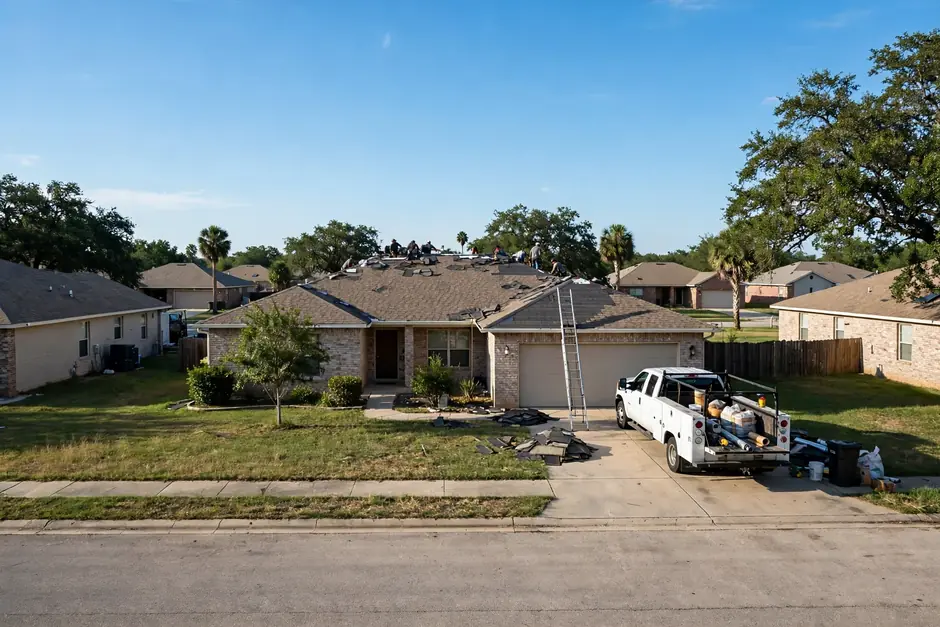
The work is done to the manufacturer's pattern, with new flashing throughout and the deck repaired where needed.
We walk the finished roof with you, show you the flashing details and hand over the signed-off inspection record for your files.
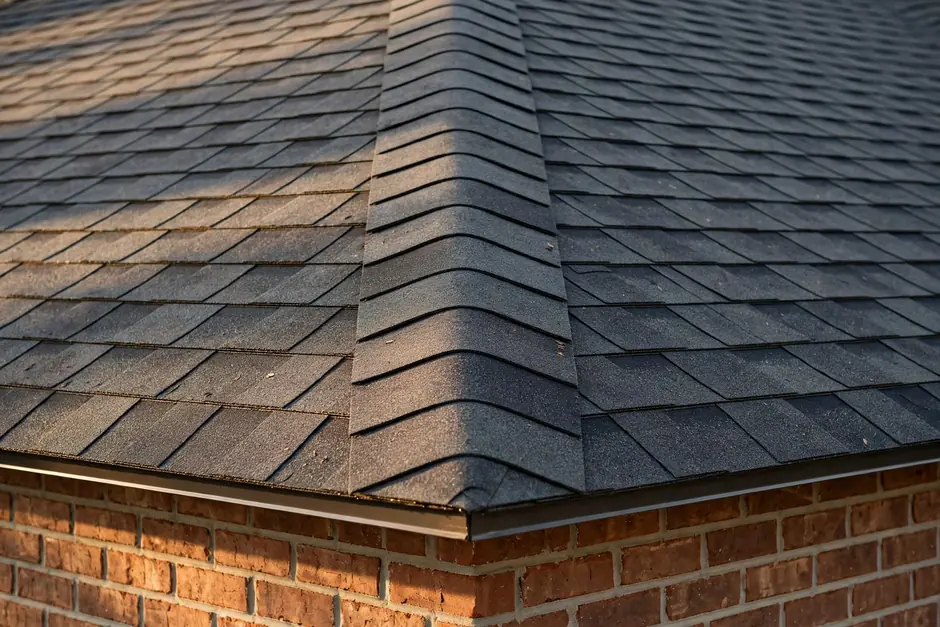
We walk the roof and the attic, read the material and its age, check the deck and the district and HOA rules that apply to your address.
Finds wet decking and hidden leaks from the attic side, so soft sheets are replaced instead of roofed over.
Every finding is photographed and located by slope, so the scope is built on evidence and the record is yours to keep.
Drives fasteners to the manufacturer's specified depth and pattern on shingle jobs, hand-checked on every course.
Snaps straight reference lines for courses. Straight courses are not about looks; they are the sign the roof was laid to spec.
Fall protection on every pitch, from a 1920s steep roof to a two-story far-north home. No one goes on a roof without it.
A magnetic sweep of the lawn and driveway after the job, because nails from any roofing job are a hazard on their own.
A home still on its original shingles can show granule loss, curling on the south slope and leaks over the master bedroom.
What we do: full tear-off to the deck, soft sheets replaced, new underlayment and valley membrane, and a new architectural shingle system, with HOA approval in writing before work starts.
Book this service →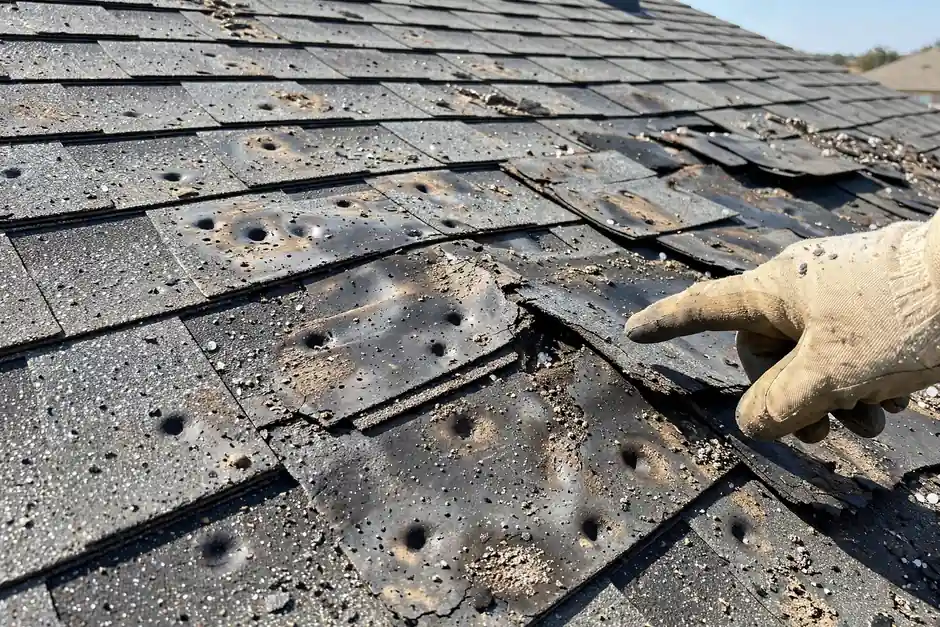
A 1920s home with a complex roof and failed underlayment under original clay tile, inside a historic district, is a lift-and-relay job under the district's process.
What we do: lift-and-relay under the Certificate of Appropriateness process, with the original tile salvaged to the street-facing slopes.
Book this service →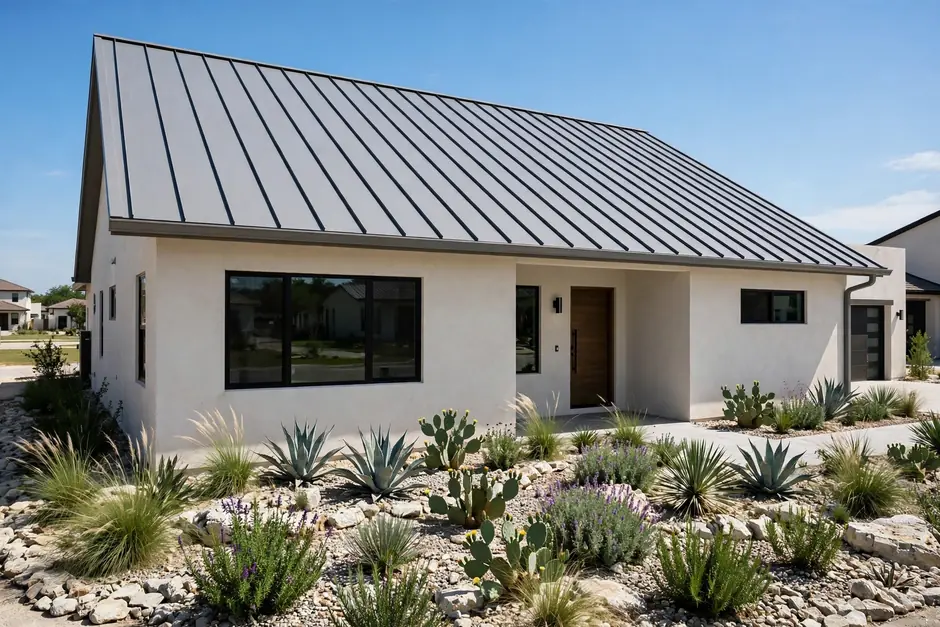
A ranch on a roof well past its realistic life, with brittle shingles and a sagging valley, is ready for a rebuild rather than another patch.
What we do: tear-off down to the deck, deck repairs in the valley, and a complete rebuild with new flashing throughout.
Book this service →A residential roof goes wrong when it is read as generic: the house's own age and style ignored, HOA approval skipped, historic rules discovered after the tear-off, or a second layer hiding a bad deck. These are the residential problems we see most, and what they cost when they surface mid-job.
Ask a pro →We read the era, the material and the district. A 1920s tile roof and a 2000s shingle roof do not fail the same way, and they should not be quoted the same way.
We get HOA approval in writing, naming the exact product and colour, before work starts, so the job is not stopped halfway.
In a historic district we work through the Certificate of Appropriateness process first, so the roof is not torn off before the approval exists.
The City allows no more than two roof layers. We count the layers before quoting, so a hidden second layer cannot turn into a surprise mid-job.
“Found their ad on marketplace, super quick feed back. Gentlemen stopped by same day to inspect roof. This company is extremely professional and quick. They had our roof done in 2 days. Great price point and easy to work with. Thank you Juarez Contracting.”
Alethia VelazquezGoogle review
“Chris was professional, on time for the estimate, very informative about what needed to be done,and willing to work with me. Thank you for a job well done.”
Belinda SalinasGoogle review
“Very fast estimate and fixed within 24 hours of asking them for help. Very fast and very reliable. My roof looks great!”
Jamie KGoogle review
Architectural asphalt realistically lasts 15 to 20 years here. Tile lasts 50-plus years, though its underlayment fails at 20 to 30 years. Standing-seam metal lasts 40 to 70 years. Low-slope membranes last 15 to 25 years.
Yes, for a replacement or a new installation inside San Antonio city limits — the City requires a re-roof permit. The flat fee is $28.75, or $31.05 when filed online with the City's two 4% surcharges. We handle the paperwork through BuildSA.
Usually, yes, in a master-planned subdivision. Most HOAs require architectural review approval for a change of material or colour. Get it in writing, naming the exact product and colour, before work starts. A City permit does not satisfy an HOA, and HOA approval does not substitute for a City permit.
All 32 of San Antonio's local historic districts require a Certificate of Appropriateness for exterior work, in addition to the building permit. In-kind replacement is usually approved at staff level; a material or profile change goes to the Historic and Design Review Commission.
Call (254) 329-0299 during business hours for a residential roofing inspection with a written scope matched to your house.
Call (254) 329-0299 →Call us at (254) 329-0299 or send an email. We answer the phone during business hours and return after-hours messages first thing the next business morning. Residential inspections are by appointment.